Contrology?
The Evolution of a Movement Method.
Core Strength
Pilates centres around activating and strengthening your Powerhouse — that’s your core, including the abs, lower back, hips, glutes, and inner thighs. A strong centre creates stability and support for the rest of the body.
Alignment & Breath
Proper postural alignment and coordinated breathing are essential. Breath isn’t just a side note — it drives movement, energises the body, and helps maintain rhythm and focus. Plus, good alignment protects joints and improves efficiency.
Functional Movement & Integration
Pilates teaches the body to move as a connected, efficient system — not just in class, but in real life. It focuses on smooth, sustainable movement that supports everything from walking and lifting to simply feeling better in your body every day.
A Very Brief History of Pilates:
From Joseph Pilates to Modern Studios
Pilates is more than just a fitness trend — it’s a movement method with a rich history rooted in mindful movement, physical rehabilitation, and holistic strength. Understanding its origins helps deepen appreciation for the practice and the many ways it has evolved over the past century.
The Origins: Joseph Pilates and Contrology
Pilates was developed in the early 20th century by Joseph Pilates, a German-born fitness enthusiast with a background in gymnastics, martial arts, and physical therapy. Originally called Contrology, his method emphasised controlled, precise movements, breath work, and full-body integration. Joseph believed that mental and physical health were interrelated, and he designed his exercises to build strength without bulk, improve posture, and enhance functional movement.
During World War I, while interned in England, he began refining his methods by working with injured soldiers. He used makeshift equipment — the origin of today’s Reformer and Cadillac machines — to help rehabilitate immobile patients. After the war, he moved to New York City in 1926 and opened a studio with his wife Clara. Their method quickly attracted dancers, performers, and athletes.
The Pilates Elders: First Generation Teachers
Joseph and Clara Pilates taught many students who went on to become key figures in spreading the method across the U.S. and beyond. These “Pilates Elders” are considered the first generation of Pilates teachers, and each brought their unique style and interpretation to the method:
Romana Kryzanowska – Perhaps the most widely recognized elder, she stayed closest to Joe’s original teachings.
Kathy Grant – Brought Pilates to broader populations, including seniors and people with disabilities.
Lolita San Miguel – One of only two people officially certified by Joe Pilates himself.
Carola Trier – Known for adapting the method for therapeutic use.
Ron Fletcher – Integrated movement elements from his background in dance and studied breathing deeply.
Eve Gentry – A dancer and physical therapy pioneer who emphasized Pilates for rehabilitation.
Mary Bowen, Bruce King, and others also played essential roles in keeping the method alive and evolving.
Each elder helped preserve and innovate the method in their own way, leading to the development of today’s diverse Pilates schools.
Modern Pilates Methods: Classical vs. Contemporary
Today, Pilates is taught in various styles that fall broadly into two categories: Classical (or Traditional) and Contemporary (or Modern) Pilates.
Classical Pilates
This approach aims to stay as true as possible to Joseph Pilates’ original sequences, equipment, and movement philosophy. Studios that follow this style, such as Romana’s Pilates, maintain strict fidelity to the order and flow of the original mat and apparatus work.
Contemporary Pilates
These methods adapt the traditional exercises to modern science, rehabilitation principles, and client needs. Several schools and branded methods have emerged, including:
Stott Pilates – Developed by Moira Stott Merrithew, this method emphasizes spinal alignment, natural curvature, and modern biomechanical principles. It often uses neutral spine positioning and is widely used in rehabilitation and fitness settings.
Polestar Pilates – Founded by Dr. Brent Anderson, this approach is rooted in physical therapy and movement science. It integrates Pilates with neuromuscular re-education and is often used by clinicians and rehab professionals.
Balanced Body – A major Pilates equipment manufacturer and educator, Balanced Body supports a blend of classical and modern teaching techniques.
BASI Pilates (Body Arts and Science International) – Founded by Rael Isacowitz, BASI combines a strong anatomical focus with respect for Joseph Pilates’ original work.
Choosing the Right Pilates for You
Whether you’re drawn to the athletic intensity of Classical Pilates or the science-based adaptability of Contemporary methods, there’s a style suited for every body and goal. Understanding the lineage behind your teacher’s approach can help you make a more informed, fulfilling choice in your practice.
Why I Chose To Study Polestar Pilates
Out of all the modern Pilates approaches, I chose to study Polestar Pilates because it offers something truly special: a method that’s intelligent, adaptable, and rooted in science — without losing the soul of Joseph Pilates’ original work.
Founded by physiotherapist and movement educator Dr Brent Anderson, Polestar was created with healing and functional movement at its core. That really resonated with me, and here’s why:
It’s Evidence-Based and Rehab-Friendly
Polestar blends the classical principles of Pilates with the latest in movement science and physiotherapy. It’s trusted by rehab professionals around the world and is incredibly effective for people recovering from injury, managing chronic conditions, or just wanting to move more mindfully.It’s Adaptable to Every Body
Whether you’re an athlete, an older adult, or someone living with pain or limited mobility, Polestar gives you space to work at your own pace. It encourages creativity, customisation, and meeting people where they are — which is exactly how I want to teach.It’s Mindful and Holistic
Polestar goes beyond just “working out.” It invites you to slow down, build awareness, and move with intention. It’s not about pushing harder — it’s about moving smarter.It Draws from Multiple Disciplines
One of the things I love most is how Polestar integrates ideas from somatics, Feldenkrais, psychology, and neurology. It treats movement as both therapy and exploration — a long-term path to feeling better in your body.
Finding the Right Fit
If you’re looking for a more athletic or structured workout, Classical Pilates might suit you. But if you’re after something more flexible, personalised, and grounded in modern science, Polestar could be a perfect match — just as it was for me.
At its heart, Pilates should help you move through life with more strength, ease, and confidence. That’s exactly what Polestar has given me, and what I aim to share with you.
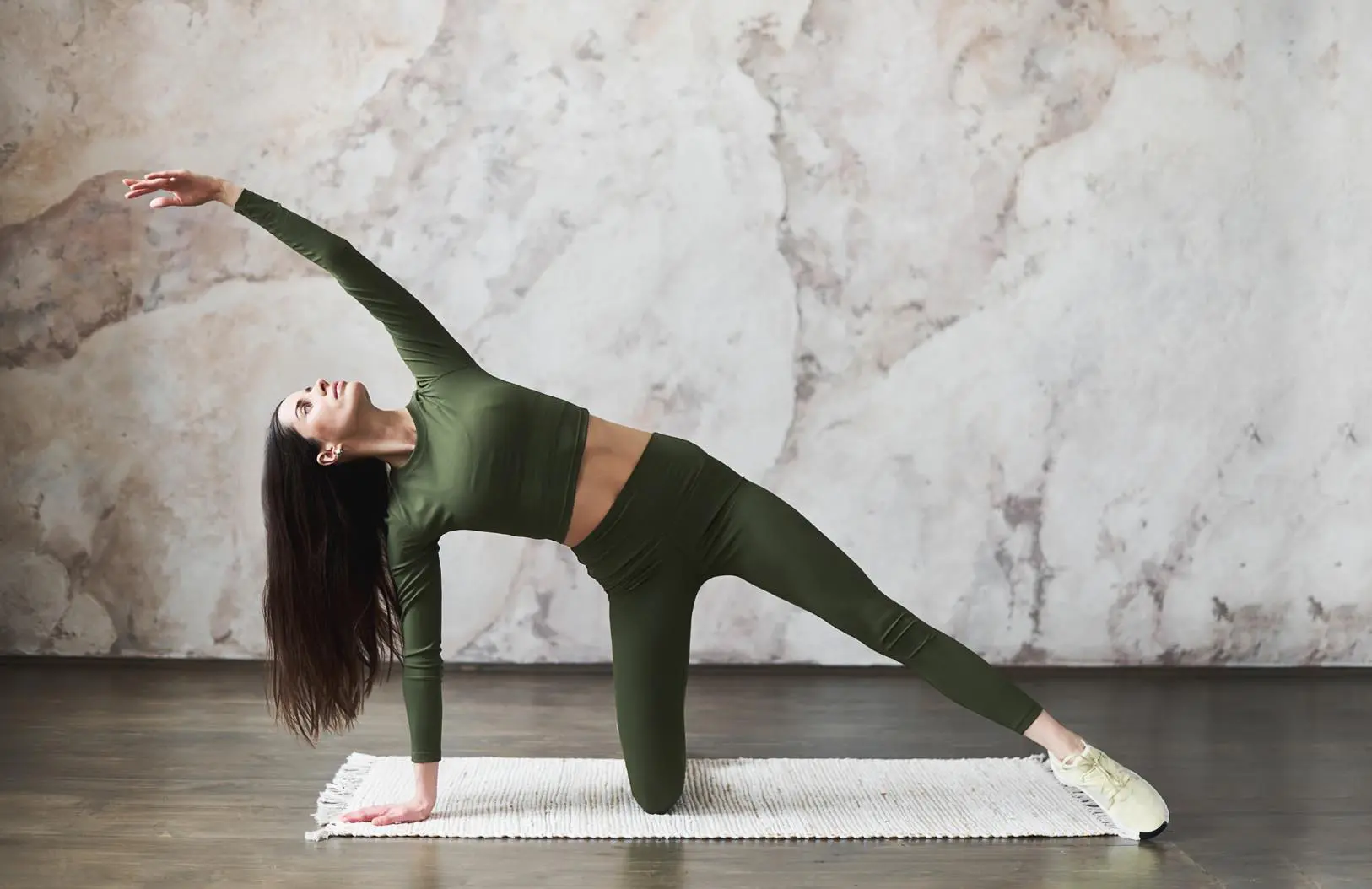

Reformer Pilates is a dynamic, full-body workout performed on a specialised machine called the Reformer — a sliding carriage with springs, straps, and pulleys that add resistance and support. This unique setup allows for deep core engagement, precise muscle activation, and fluid movement, all while minimising stress on the joints.
Whether you’re building strength, improving flexibility, or recovering from injury, Reformer Pilates meets you where you are. With endless variations and adjustable intensity, it’s perfect for beginners and seasoned movers alike. Expect longer, leaner muscles, better posture, and a strong mind-body connection — all while lying down, sitting, kneeling, or standing on the carriage.
Meet Carolyn.
Carolyn
Instructor
|
CORElation Studio
Meet Carolyn, the founder of CORElation Studio in Calgary, Alberta. Passionate about movement and wellness, Carolyn opened the studio to help people build strength, flexibility, and confidence through Pilates.
She completed her Pilates Reformer certification with Polestar Pilates in Australia and even began the studio course, though the pandemic paused her progress. Carolyn brings a welcoming, personalised approach to each class, focusing on core strength, alignment, and mindful movement.
Come experience Pilates with Carolyn and feel the difference at CORElation Studio!
